

TMJ/TMD Disorders
What Is TMJ/ TMD?
The temporomandibular joint (TMJ) is the joint that connects the lower jaw (mandible) to the temporal bone of the skull. This joint is a hinge joint and is located right in front of each ear. The TMJ's function is to allow the jaw to move in order for you to be able to talk, chew, and yawn. Your jaw has several muscles attached to the TMJ which function to control the position and movement of the jaw.
Temporomandibular disorders (TMD) TMJ and can occur due to abnormalities of the movement of the jaw joints, muscular deficiencies affecting the smooth movement of the joints, and/ or problems with the small "discs" that sit in between the joint surfaces. These disorders are often incorrectly called TMJ, which stands for temporomandibular joint.
What Causes TMD?
There is no clear cause defining TMJ disorders, but research leans toward injury to the jaw, TMJ, or head and neck musculature, such as would occur in a car wreck causing whiplash injury.
Other possible causes include:
- Bruxism, or grinding of the teeth and clenching of the jaw.
- Dislocation of the soft cushion or disc between the ball and socket.
- Arthritis (Osteo or Rheumatoid) in the TMJ.
- Tightness of the facial and jaw muscles due to stress.
What Are the Symptoms of TMD?
TMD is more common in women than men, and usually individuals fall in the age range between 20-40 years of age.
Common symptoms of TMD include:
- Pain or tenderness in the face, jaw joint area, neck and shoulders, and in or around the ear when you chew, speak, or open your mouth wide
- Difficulty opening you jaw wide
- Sticking or locking of the jaw in the open or closed position
- Clicking/ popping sounds in the jaw joint when yawning, chewing, or opening the mouth (this may or may not be accompanied by pain
- “Tiredness†of the face
- Difficulty chewing or a sudden uncomfortable bite – as if the upper and lower teeth are not fitting together properly
- Swelling on the side of the face
- TMD may be one-sided or in both joints simultaneously
- Headaches, neck aches, dizziness, or tinnitus (ringing in the ears
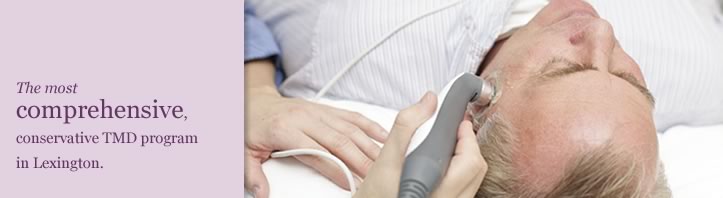
Talk to the clinicians at Advantage Physical Therapy for treatment options. They are eager to help you and have the education, knowledge, and experience to address TMJ disorders to improve your quality of life!